
 SS 18.0Mr. Bean1990Comedy
Pick a length
One seasonA week or two of evenings45 seriesTwo or three seasonsA month or so45 seriesFour to six seasonsA season of the year45 seriesSeven seasons and moreCompany for a year45 series
One season
All 45 ›SS 18.0Mr. Bean1990Comedy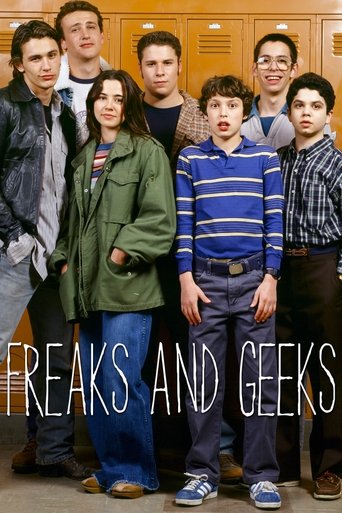 SS 18.2Freaks and Geeks1999Drama
 SS 17.1Man vs Bee2022Family
 SS 16.7Heroes Reborn2015Sci-Fi & Fantasy
 SS 18.2Pride and Prejudice1995Drama
 SS 17.3Amazing Stories2020Sci-Fi & Fantasy
 SS 17.3Knuckles2024Action & Adventure
 SS 16.6Willow2022Sci-Fi & Fantasy
 SS 17.8The Dark Crystal: Age of Resistance2019Sci-Fi & Fantasy
 SS 16.9The Tomorrow People2013Drama
 SS 16.5Away2020Sci-Fi & Fantasy
 SS 17.8Dash & Lily2020Comedy
Two or three seasons
All 45 › SS 37.7Foundation2021Sci-Fi & Fantasy
 SS 37.6Travelers2016Drama
 SS 28.3Fawlty Towers1975Comedy
 SS 37.6iCarly2021Comedy
 SS 38.1The Newsroom2012Drama
 SS 37.8H2O: Just Add Water2006Drama
 SS 38.3Girl Meets World2014Comedy
 SS 37.6The Suite Life of Zack & Cody2005Comedy
 SS 37.6Mako: Island of Secrets2013Comedy
 SS 27.9Spaced1999Comedy
 SS 27.9The Baby-Sitters Club2020Kids
 SS 27.5The Spanish Princess2019Drama
Four to six seasons
All 45 › SS 67.9The Fresh Prince of Bel-Air1990Comedy
 SS 68.0Community2009Comedy
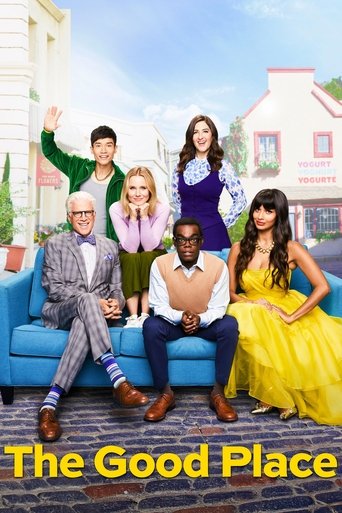 SS 48.0The Good Place2016Sci-Fi & Fantasy
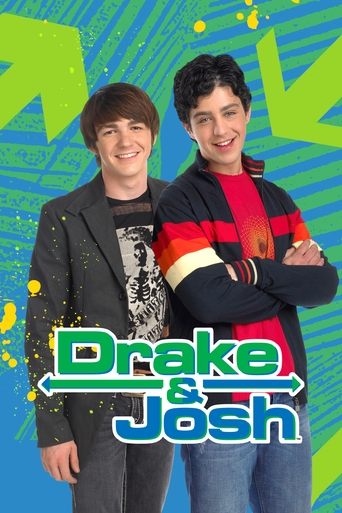 SS 48.4Drake & Josh2004Comedy
 SS 48.2Victorious2010Comedy
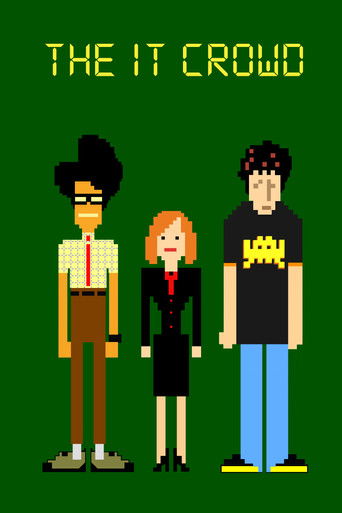 SS 48.2The IT Crowd2006Comedy
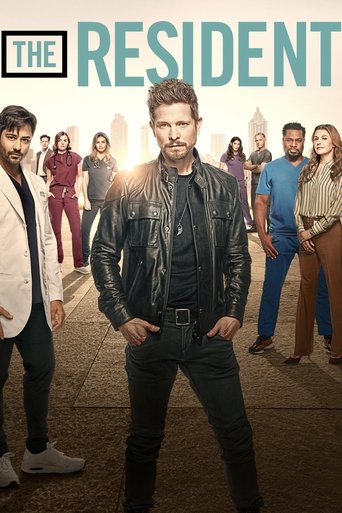 SS 68.4The Resident2018Drama
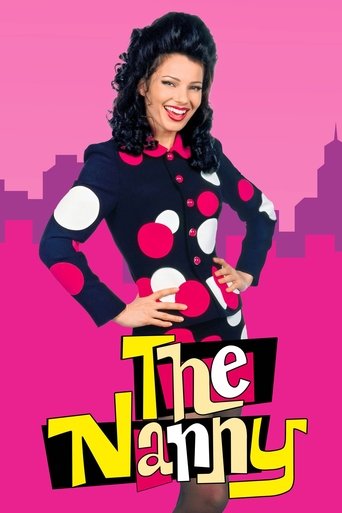 SS 68.1The Nanny1993Comedy
 SS 68.1Downton Abbey2010Drama
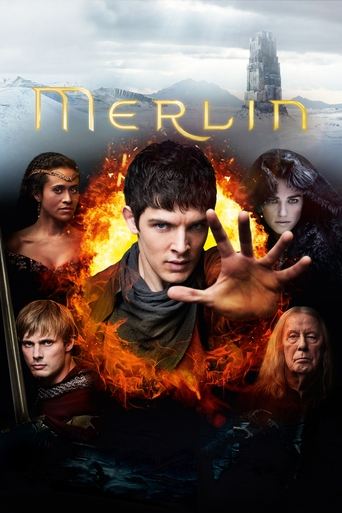 SS 57.8Merlin2008Action & Adventure
 SS 47.8Dinosaurs1991Sci-Fi & Fantasy
 SS 58.3New Amsterdam2018Drama
Seven seasons and more
All 45 ›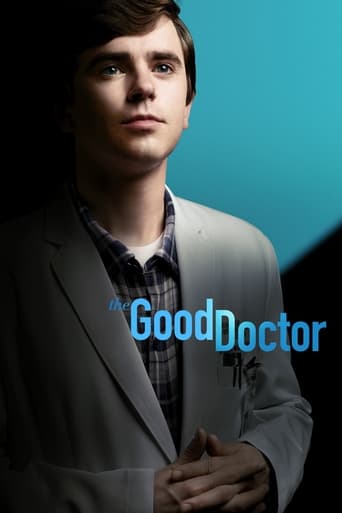 SS 78.5The Good Doctor2017Drama
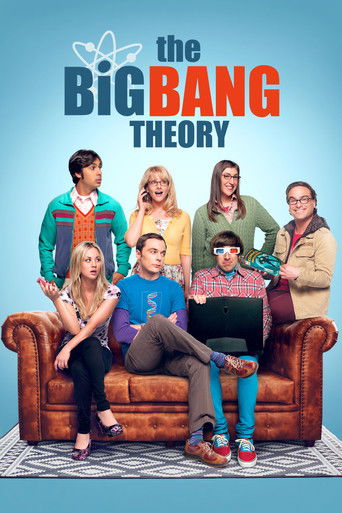 SS 127.9The Big Bang Theory2007Comedy
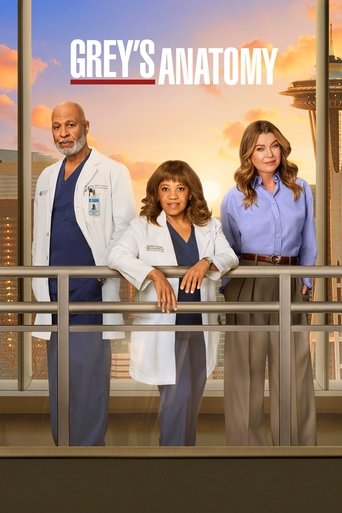 SS 238.2Grey's Anatomy2005Drama
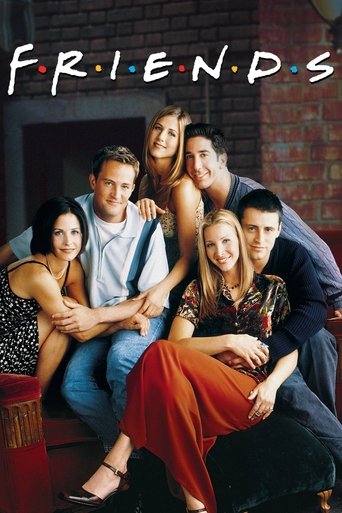 SS 108.4Friends1994Comedy
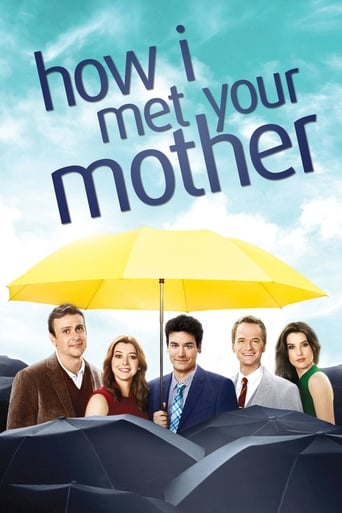 SS 98.1How I Met Your Mother2005Comedy
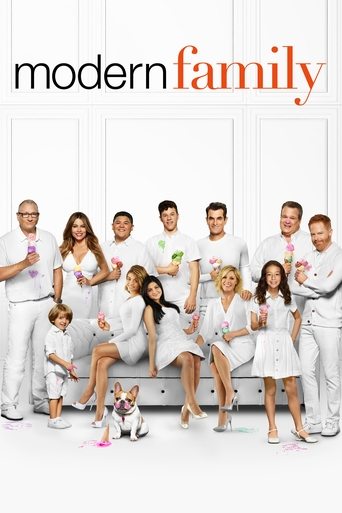 SS 117.9Modern Family2009Comedy
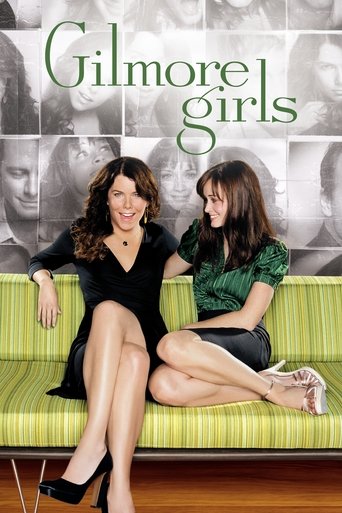 SS 77.9Gilmore Girls2000Comedy
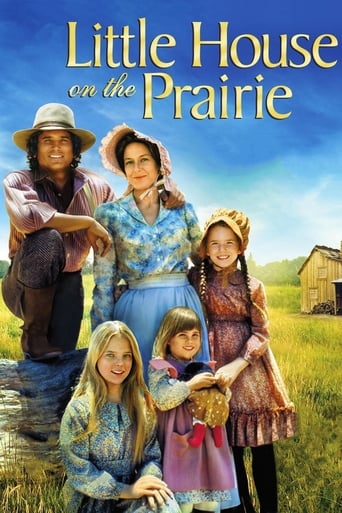 SS 98.0Little House on the Prairie1974Western
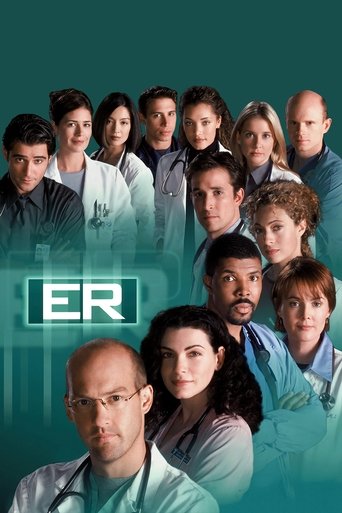 SS 157.8ER1994Drama
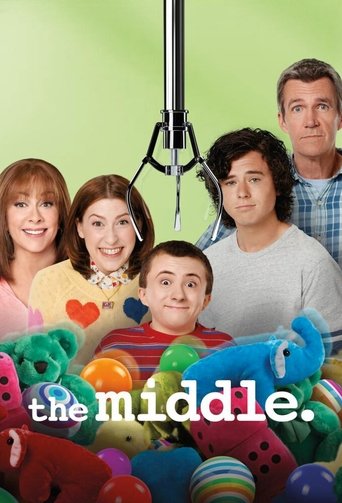 SS 97.6The Middle2009Comedy
 SS 87.4Home Improvement1991Comedy
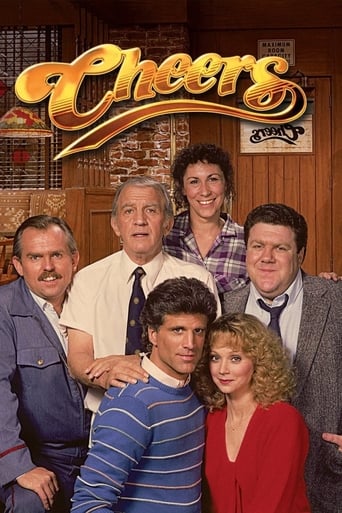 SS 117.6Cheers1982Comedy
More lists
Top rated series 42Comedy 118Drama 94Family 43Sci-fi and adventure 39British series 30Before 1990 251990 to 2004 362005 to 2017 672018 to 2026 52Still running 10
The 123SeriesHD guide
123SeriesHD: 180 TV series sorted by how long they run, from Freaks and Geeks and Fawlty Towers to Downton Abbey, Friends and The Good Doctor
123SeriesHD is a guide to television series arranged by the one fact that decides most viewing: how much of it there is. Its 180 series stand on four shelves of forty-five. The first holds series complete in a single season, the second those with two or three, the third those with four to six, and the fourth those with seven seasons or more. Each series has a page with its cast, a summary, every season with its dated episodes and a Watch now button.
The difference between the shelves is large. The forty-five series of the first shelf amount to 464 episodes between them; the forty-five of the last shelf amount to 9,000. In all the guide covers 789 seasons and more than 14,600 dated episodes, first shown between 1951 and 2026. Choosing a series is therefore partly a question of time, and the guide puts that question first.
A single season can be finished in a week or two of evenings. Two or three seasons will fill a month. Four to six will see a household through a season of the year, and the long runners, with two hundred episodes and more, are company for a year at an episode each night. Knowing which kind of commitment one is making saves a good many abandoned series.
Every series was screened by hand for a family audience, so the shelves favour comedy, warm drama, costume drama, family adventure and the gentler kind of science fiction. This guide explains the page, takes the four shelves in turn, and then crosses them by genre, country and period. The short version is on How to watch with 123SeriesHD.
How 123SeriesHD works
The page is charcoal with a darker header, and its one colour is teal. The header carries the name of the guide, a menu reading Home, 1 season, 2-3 seasons, 4-6 seasons, 7+ seasons, Top rated and A-Z, and the teal My Series button. On the home page a search panel sits under the header with the name of the guide and a wide search box.
Four tiles follow under the heading Pick a length. Each names a shelf, says roughly how long it will last, and carries a teal bar that grows from a quarter of the tile's width to the whole of it. Under the tiles are four blocks of posters, one per shelf, each showing the twelve most widely rated series of that length with a link to all forty-five. A poster has a teal tag with its number of seasons and a dark tag with its score, and the line beneath gives the year of first showing and the main genre.
A series page gives the title, tags for the year and the genres, the summary, the Watch now button and the list button. A panel beside them has a selector with fifteen countries; choose one, press the button, and JustWatch lists the subscription, rental, purchase and free services that carry the series there. A table of facts, the cast and the creators follow, and then the seasons, each with the titles and dates of its episodes. Finding a series covers the search box and the lists.
How the shelves are built
The measure is the number of seasons recorded for each series on TMDB. Within each shelf the series are ranked by the number of people who have rated them, and the first forty-five that passed the hand screening are listed. The equal size of the shelves is deliberate. Left to popularity alone, a catalogue fills with long American network comedies, and the short series, which include some of the best television ever made, sink out of sight.
A season means different things in different places. An American network season of the 1990s ran to twenty-two or twenty-four episodes; a British one usually runs to six; a streaming season today has eight or ten. That is why the shelves are best read together with the episode counts on each series page. Only Fools and Horses stands on the fourth shelf with seven seasons and only forty-five dated episodes, while Gilligan's Island stands on the second with three seasons and ninety-eight.
Ten of the series are still being made, and a new season may move one of them up a shelf when the catalogue is next rebuilt. Sorting by length states the rule in brief.
Shelf one: a single season
The first shelf is the most varied. Some of its series were planned as one season from the start, as adaptations of a novel or accounts of a real event. Others were meant to continue and were cut short, sometimes to the lasting regret of their audiences.
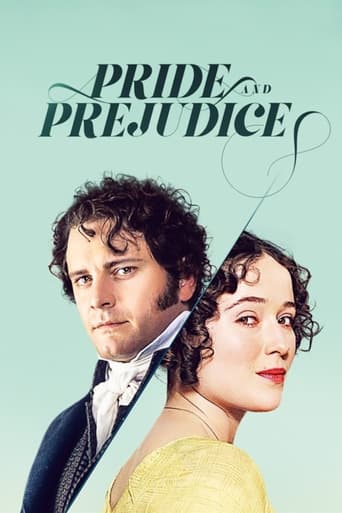
The planned kind includes the best costume drama in the guide. Pride and Prejudice, the 1995 BBC version in six parts with Jennifer Ehle and Colin Firth, holds a score of 8.2 and has been the standard against which Austen adaptations are measured ever since. North & South, from Elizabeth Gaskell's novel of a southern clergyman's daughter in a northern mill town, has four parts and 8.1. Jane Eyre, from 2006, has four parts as well. Lost in Austen plays with the form: a modern Londoner changes places with Elizabeth Bennet through a door in her bathroom.
From real events come From the Earth to the Moon, twelve films about the Apollo programme produced by Tom Hanks, The English Game, on the mill workers who took football from the gentlemen of the 1870s, Self Made: Inspired by the Life of Madam C.J. Walker, and WeCrashed, about the rise and fall of an office-rental company. A Gentleman in Moscow, from the novel by Amor Towles, confines a Russian count to a grand hotel for more than thirty years.
The series cut short include three that are now treasured. Freaks and Geeks followed two groups of pupils at a Michigan high school in 1980; it ran for eighteen episodes, and its young cast went on to fill a generation of film comedies. My So-Called Life gave Claire Danes her first leading part as a fifteen-year-old thinking aloud, and lasted nineteen. Undeclared, from the makers of the first, moved the same humour to a university hall of residence.
Rowan Atkinson appears three times on this shelf. Mr. Bean has only fourteen episodes, made over five years, and is known in almost every country on earth. Man vs Bee and Man vs Baby set the same performer against a single stubborn opponent in a luxurious house.
The fantasies and adventures of the shelf are The Dark Crystal: Age of Resistance, performed by puppets, Willow, Knuckles, The Colour of Magic, from Terry Pratchett, a two-part Gulliver's Travels, The Storyteller: Greek Myths from the Jim Henson workshop, and the time-travel series The Time Tunnel, Voyagers! and Journeyman. Dash & Lily is a Christmas romance conducted through a notebook left in a New York bookshop, and One Day retells the novel across fourteen episodes. The one season guide sorts the forty-five.
Shelf two: two or three seasons
The second shelf, with 113 seasons and 1,597 dated episodes, belongs above all to British comedy. Writers in Britain commonly work alone or in pairs and stop when they have said what they meant to say. Fawlty Towers is the famous case: John Cleese and Connie Booth wrote six episodes in 1975 and six more in 1979, and then stopped for good. Each is a farce built like a watch, and the series scores 8.3.
Spaced, written by and starring Simon Pegg and Jessica Hynes, turned life in a rented flat into a string of affectionate film parodies. Detectorists follows two friends with metal detectors across the fields of Essex and is the quietest and kindest comedy in the guide. Derry Girls sets teenage chaos against the last years of the Troubles in Northern Ireland. I'm Alan Partridge, The Mighty Boosh and Miranda are three more, each unlike the others, and Flight of the Conchords, about two New Zealand musicians adrift in New York, is a cousin from across the world.
The dramas of the shelf are The Newsroom, three seasons in a cable news studio, Victoria and The Spanish Princess, two royal histories, and the science fiction of Travelers, Kyle XY and Foundation, which adapts Isaac Asimov's novels on a grand scale. Better Off Ted is a sharp office comedy set in a corporation that will invent anything, and Zoey's Extraordinary Playlist gives its heroine the power to hear what people feel as songs.
For younger viewers the shelf is rich: Girl Meets World, Andi Mack, Lizzie McGuire, The Suite Life of Zack & Cody, I'm in the Band, Bella and the Bulldogs, The Baby-Sitters Club, The Mysterious Benedict Society, Big Shot and, from Australia, H2O: Just Add Water and Mako: Island of Secrets. The two or three seasons guide sorts the list.
Shelf three: four to six seasons
The third shelf holds 214 seasons and 3,578 dated episodes, and it may be the happiest length for a series. Four to six seasons is long enough for characters to change and short enough for a story to keep its shape. Thirteen of its forty-five series score 8.0 or more, the most of any shelf.
Its comedies show the point well. Schitt's Creek takes six seasons to turn a family of snobs stranded in a motel into people one is sorry to leave. The Good Place planned its four seasons as a single argument about how to be good, and ended when the argument was complete. Community spent six seasons in a study group at a community college, parodying a different kind of film or programme almost every week. Superstore found six seasons of comedy on the floor of a discount shop, and The IT Crowd four in a basement office where the answer to every call is to switch it off and on again.
The dramas are as strong. Downton Abbey follows the Crawley family and their servants from the sinking of the Titanic to the eve of 1926 in six seasons. Friday Night Lights is about a high-school football team in Texas and, through it, a whole town. Halt and Catch Fire covers the rise of the personal computer and the early internet through four people who keep failing and beginning again. Northern Exposure sends a New York doctor to a village in Alaska. The Marvelous Mrs. Maisel gives five seasons to a housewife of 1958 who walks on to a stage and discovers her calling, and The Gilded Age sets old money against new in the New York of the 1880s.
Two hospital dramas stand here, The Resident with six seasons and New Amsterdam with five, beside the legal comedy-dramas Boston Legal and Ally McBeal and the medical spin-off Private Practice. Hart of Dixie and Sweet Magnolias are set in small Southern towns, and Mozart in the Jungle in a New York orchestra.
The shelf also has the two oldest series of the guide's middle lengths. I Love Lucy, first shown in 1951, ran for six seasons and 180 episodes and more or less invented the filmed studio comedy. I Dream of Jeannie, from 1965, has an astronaut find a genie on a beach. The Fresh Prince of Bel-Air and The Nanny are favourites of the 1990s, and Bel-Air retells the first of them as a drama.
Younger viewers will find Drake & Josh, Victorious, Hannah Montana, That's So Raven, Good Luck Charlie, Liv and Maddie, Austin & Ally, Saved by the Bell and High School Musical: The Musical: The Series, and for lovers of the fantastic there are Merlin, Eureka, Warehouse 13, Sanctuary and The Librarians. The four to six seasons guide sorts the forty-five.
Shelf four: seven seasons and more
The last shelf is by far the largest in content: 417 seasons and 9,000 dated episodes, more than three fifths of everything in the guide. These are the series that became part of the furniture of their time, shown weekly for a decade and repeated daily ever since.
The longest is Grey's Anatomy, which began in 2005 and has reached twenty-two dated seasons and 460 episodes, with more to come. Lassie ran for nineteen seasons from 1954 and has the most episodes of all, 591. ER lasted fifteen seasons and 331 episodes, When Calls the Heart has reached thirteen seasons, and The Big Bang Theory made 279 episodes in twelve.
The comedy of friends is the shelf's best-known form. Cheers spent eleven seasons in a Boston bar where everybody knows your name. Friends spent ten in two flats and a coffee house in New York, and How I Met Your Mother nine in a booth at MacLaren's. Scrubs moved the form to a hospital, with daydreams.
The family comedy is the other. The shelf traces it across fifty years: The Beverly Hillbillies, The Jeffersons, One Day at a Time, The Facts of Life, Growing Pains, Who's the Boss?, Family Matters, Roseanne, Step by Step, Home Improvement, Everybody Loves Raymond, According to Jim, The Middle, Modern Family, The Goldbergs, black-ish, Last Man Standing and The Neighborhood. To watch one episode from each in order of date is to see the American living room change its wallpaper, its telephones and its arguments while the sofa stays where it was.
The long dramas are fewer and choice. The West Wing gave seven seasons to the staff of a president, Gilmore Girls seven to a mother and daughter who talk faster than anyone on television, and Little House on the Prairie nine to the Ingalls family. The Good Doctor, with the highest score on the shelf at 8.5, ran for seven, and Queen Sugar for seven on a Louisiana sugar-cane farm. From Britain come All Creatures Great & Small and two comedies, Only Fools and Horses and the Scottish Still Game. The seven seasons and more guide sorts the shelf.
Top rated
The Top rated list gathers the forty-two series with an audience score of 8.0 or more. The scores are TMDB averages of ratings by registered viewers, and each series page shows how many ratings stand behind its figure. Every shelf contributes: eight series from the first, nine from the second, thirteen from the third and twelve from the fourth.
At the head stand I'm in the Band at 8.6 and The Good Doctor at 8.5, followed by Friends, Drake & Josh, The Resident and Still Game at 8.4. A large group shares 8.3: Fawlty Towers, The West Wing, Boy Meets World, Girl Meets World, New Amsterdam, When Calls the Heart and the newest series in the guide, Every Year After.
At 8.2 are Pride and Prejudice, Freaks and Geeks, The Storyteller: Greek Myths, Detectorists, The IT Crowd, Victorious, Grey's Anatomy, Scrubs and All Creatures Great & Small. At 8.1 come North & South, From the Earth to the Moon, Far from Home, The Newsroom, Derry Girls, Downton Abbey, The Nanny, The Marvelous Mrs. Maisel, How I Met Your Mother and Only Fools and Horses.
It is worth saying how such scores arise. A series is rated mostly by the people who watched it to the end, and those are the people who liked it, so series scores run higher than film scores. Series made for children and teenagers do especially well, since their audiences rate them years later with the warmth of memory. A score of 8.0 for a series is a sign of lasting affection more than of critical standing, and both kinds of quality are represented in the list. The top rated page explains the rule.
Comedy
Comedy accounts for 118 of the 180 series, and its share grows with length: sixteen on the first shelf, thirty-one on the second, thirty-three on the third and thirty-eight on the fourth. The reason lies in how comedy is made. A half-hour comedy with fixed sets and a regular cast can be produced at twenty-four episodes a year for as long as an audience turns up, and its stories reset each week so that a new viewer can join at any point.
The workplace is a favourite setting. Night Court sat through the night shift of a Manhattan courtroom, Wings ran a tiny airline on Nantucket, Coach followed a university football coach, Newhart kept a Vermont inn, and The Mary Tyler Moore Show worked in the newsroom of a Minneapolis television station. The last of these, from 1970, was the first hit comedy about a single woman with a career, and its closing episode is still held up as a model of how to end a series.
Comedies about unlikely pairs fill another row. Perfect Strangers gives a Chicago clerk a cousin from a Mediterranean island, Laverne & Shirley sets two friends to work in a Milwaukee brewery in the 1950s, Mad About You follows a newly married couple in New York, and Baby Daddy hands a baby to a bachelor. Young Rock has Dwayne Johnson looking back on his own boyhood, Loot gives a billionaire's former wife a charity to run, and Acapulco tells a rags-to-riches story at a Mexican resort in 1984, partly in Spanish.
The shorter comedies ask more attention and repay it. Reboot is about the cast of an old family comedy brought back together, The Grinder about an actor who played a lawyer and believes he is one, and The Chair about the first woman to head an English department. The comedy guide sorts the list.
Drama
Ninety-four series carry the drama tag, many of them shared with comedy. The hospital is the genre's home ground, and the guide holds the line of descent complete. ER, which began in 1994, set the pace for everything after it with its long moving shots through a Chicago emergency department. Scrubs answered it with comedy in 2001. Grey's Anatomy followed in 2005 and its spin-off Private Practice in 2007. Then, within a year of one another, came The Good Doctor, The Resident and New Amsterdam, and most recently PULSE, set in a Miami trauma centre, and Pure Genius, in which a technology billionaire builds a hospital of his own.
Drama about work outside medicine is led by the two series written by Aaron Sorkin, The West Wing and The Newsroom, both of which believe that clever people talking quickly can put the world right. Halt and Catch Fire, WeCrashed and Swagger, about boys' basketball and the adults around it, take a cooler view of ambition. Away follows the commander of the first crewed flight to Mars and the family she leaves on Earth.
Family drama fills the rest. Gilmore Girls and Hart of Dixie are set in small towns with large casts of eccentrics. Queen Sugar brings three estranged siblings home to run their father's farm, and From Scratch follows an American artist who marries a Sicilian chef. Gentle small-town comfort is represented by Sweet Magnolias and When Calls the Heart, and Far from Home and Every Year After are the newest arrivals. The drama guide sorts the ninety-four.
Costume drama
Costume drama deserves a section to itself, since it runs across every shelf. On the first shelf are the single-season adaptations already named, with The English Game and A Gentleman in Moscow. On the second are Victoria, three seasons on the young queen and her marriage, and The Spanish Princess, on Catherine of Aragon's arrival at the Tudor court.
On the third shelf stand Downton Abbey and its American successor The Gilded Age, both written by Julian Fellowes, and The Marvelous Mrs. Maisel, whose recreation of 1950s New York is among the most lavish ever attempted for television. On the fourth are Little House on the Prairie, set in the Minnesota of the 1870s, When Calls the Heart, in a Canadian mining town of the 1910s, and All Creatures Great & Small, in the Yorkshire Dales of the 1930s.
A viewer who enjoys the form can therefore choose by appetite: a weekend with Mr Darcy, a month with Queen Victoria, a season with the Crawleys or a year on the prairie.
Family and school-age series
Forty-three series are marked for family viewing. The largest group is the school comedy made for children's channels between 2001 and 2020, and audiences who grew up with these rate them very highly. Drake & Josh is about two stepbrothers of opposite temperaments. Victorious is set at a performing arts school in Hollywood, Hannah Montana gives a schoolgirl a secret life as a pop star, and That's So Raven gives another glimpses of the future. The Suite Life of Zack & Cody lets twin brothers loose in a Boston hotel, and BUNK'D: Learning the Ropes moves the form to a summer camp in Maine for seven seasons.
The family series of earlier decades have a different pace. Lassie is a boy and his collie on a farm, in black and white for its first eleven years. Little House on the Prairie has stayed in continuous repeat since the 1970s. Boy Meets World followed its hero from the age of eleven to his wedding, and Saved by the Bell defined Saturday mornings for a generation.
Fantasy for families includes Dinosaurs, a household comedy performed by full-size puppets, The Mysterious Benedict Society, about four gifted orphans on a secret mission, The Santa Clauses, and the riding and skating series Free Rein and Zero Chill. The family guide sorts the list.
Science fiction, fantasy and adventure
Thirty-nine series carry a science fiction, fantasy or adventure tag, and time travel is their favourite device. The Time Tunnel, from 1966, sent two scientists tumbling through history a week at a time. Voyagers!, from 1982, gave a time traveller a twelve-year-old companion who knew his history better than he did. Quantum Leap, in its 2022 revival, Journeyman, about a San Francisco reporter pulled into the past, and Travelers, whose agents arrive from the future in the bodies of the present, carry the idea forward.
A second group might be called the cabinet of curiosities. Warehouse 13 stores dangerous objects from history in the South Dakota badlands, The Librarians guard magic under a public library, Eureka is a town where every resident is a genius and every week brings a new disaster, and Sanctuary shelters creatures of legend. Relic Hunter sends a professor around the world after lost treasures.
The fantasies are Merlin, five seasons of the wizard as a young servant at Camelot, Willow, Once Upon a Time in Wonderland, The Colour of Magic and The Dark Crystal: Age of Resistance. In space there are Foundation and Away, and on Earth Kyle XY, about a boy whose memory is a blank and whose gifts are extraordinary, The Tomorrow People, Heroes Reborn, The Winchesters, Intelligence and the anthology Amazing Stories. The sci-fi and adventure guide sorts them.
British series
Thirty series were made in the United Kingdom, and their spread across the shelves is the reverse of the comedy pattern: fourteen on the first shelf, ten on the second, three on the third and three on the fourth. British television has long preferred the short run. A season of six episodes written by one or two people, with every week made to count, is the national form, and it explains why so many British series sit near the top of the scores.
The three on the third shelf are The IT Crowd, Merlin and Downton Abbey. The three on the fourth are Only Fools and Horses, which followed the Trotter brothers of Peckham from 1981 through seven seasons and many Christmas specials, Still Game, about two pensioners in a Glasgow tower block, and All Creatures Great & Small, the newer adaptation of James Herriot's memoirs of a country vet.
The shorter British series have already been met along the way. Taken together they make a fine course in comedy: the slapstick of Mr. Bean, the farce of Fawlty Towers, the embarrassment of I'm Alan Partridge, the invention of Spaced and The Mighty Boosh, the warmth of Miranda and Detectorists and the speed of Derry Girls. The British series guide lists all thirty.
Four periods
The series are also divided by date of first showing. Twenty-five began before 1990, from I Love Lucy in 1951 and Lassie in 1954 to Roseanne in 1988 and Saved by the Bell in 1989. Most are long: this was the age of three networks and of seasons that ran from September to May.
Thirty-six began between 1990 and 2004. This is the high period of the network comedy and of the hour-long drama with a large cast: Friends, ER, The West Wing, Gilmore Girls, Scrubs and Boston Legal all belong to it, with Freaks and Geeks and My So-Called Life as its famous early departures.
Sixty-seven began between 2005 and 2017, the largest group, when cable channels and then streaming services multiplied the number of series made. And fifty-two began from 2018 onwards, most of them with seasons of eight or ten episodes. The shift is plain on the shelves: more than half of the single-season series date from 2018 or later, and only two of the long runners do. The four periods page gives the outline.
Working out the time
A little arithmetic turns a shelf into a plan. A half-hour comedy runs about twenty-two minutes once the breaks are removed, and an hour-long drama about forty-three. A British episode of either kind runs closer to its full slot, thirty minutes or an hour.
By that measure the twelve episodes of Fawlty Towers take six hours, an easy weekend. The six parts of Pride and Prejudice take five and a half. Freaks and Geeks, at eighteen episodes of forty-four minutes, takes thirteen hours, or a fortnight of single evenings. Downton Abbey, with forty-seven dated episodes of about an hour, asks for some fifty hours, which is two months at a comfortable pace.
The long runners are another order of size. Friends comes to about eighty-five hours, The West Wing to a hundred and ten, and ER to nearly two hundred and forty. Grey's Anatomy would occupy three hundred and thirty hours, an episode every evening for fifteen months. These are best thought of as companions for a year, taken a little at a time, and there is real pleasure in having one always on hand.
The season list on each series page makes the sum easy. It shows every season with the number of its dated episodes, so the size of the undertaking is clear before the first evening.
Finished, cancelled and still running
Each series page states whether the series has ended. Of the 180, 120 are recorded as ended, fifty as cancelled and ten as still being made. The difference between the first two matters to a viewer. An ended series usually closes its story; a cancelled one may stop in the middle of it.
Cancellation is commonest on the first shelf, as one would expect. Pan Am, Journeyman, The Tomorrow People, Intelligence and Away were all stopped after a season, and a viewer should begin them in the knowledge that some threads stay loose. Many are worth the time all the same, and a few, Freaks and Geeks above all, are admired for exactly the eighteen episodes they have.
The ten still running are Grey's Anatomy, When Calls the Heart, All Creatures Great & Small, Foundation, The Gilded Age, Georgie & Mandy's First Marriage, My Life with the Walter Boys, Loot, The Four Seasons and Every Year After. The Still running list gathers them, and their season counts will rise as new episodes are shown.
Where to start on each shelf
For a reader who wants a single recommendation from each shelf, here are four, with a second choice for a different mood. On the first shelf: Pride and Prejudice, or Freaks and Geeks for something modern. On the second: Detectorists, or The Newsroom for something faster.
On the third shelf: Schitt's Creek, or Friday Night Lights for drama. And on the fourth: The West Wing, or Cheers for an older comedy that has lost very little of its shine in forty years. Eight series, four lengths, and enough viewing among them to last well beyond a year.
Households with children might take a different four: The Mysterious Benedict Society, Girl Meets World, Drake & Josh and Boy Meets World, which share a good heart and grow with their viewers.
My Series
My Series is the list each visitor keeps, and it matters more in a guide to series than in a guide to films. A film is over in an evening; a series has to be found again next week at the right episode. The list button beside Watch now on a series page adds the series, and on the same page a viewer can mark the episode reached. The teal button in the header opens the list from any page.
List and marks are stored in the browser on the device in use, so they are ready from the first visit and work free of any sign-up form, with name and address left unasked. The list page can save everything as a file, which is the way to carry it to another device. A sensible list holds one long runner, one series of middle length and one short one, so that there is always something to suit the evening. The My Series page gives the steps.
Where the series play
123SeriesHD is a guide, and the episodes themselves are held by the streaming services. The Watch now button passes the title and the chosen country to JustWatch, which records each day what every service offers. The fifteen countries in the selector include the United States, the United Kingdom, Canada, Australia, Ireland, New Zealand, India and South Africa.
Series move between services more often than films do, and a long runner may have its early seasons in one place and its recent ones in another. Older network comedies turn up frequently on free services supported by advertising, British series on the players of the British broadcasters, and streaming originals stay with the service that made them. Complete seasons can also be bought outright in the digital stores, which suits a short series well. The answer shown is always the one for today.
Spin-offs, sequels and second lives
Television renews itself by returning to what it knows, and the guide holds several pairs that are best understood together. Boy Meets World and Girl Meets World are a series and its sequel twenty years on, with the first hero now a teacher and a father. The Fresh Prince of Bel-Air and Bel-Air tell the same story as a comedy and as a drama. How I Met Your Mother was followed by How I Met Your Father, and the 2021 The Wonder Years moves the idea of the original to a Black family in Alabama in the late 1960s.
Grey's Anatomy produced Private Practice. The Big Bang Theory led, by way of a series about its hero's childhood, to Georgie & Mandy's First Marriage. H2O: Just Add Water was followed on the same Australian coast by Mako: Island of Secrets, and the 2021 iCarly brings back the cast of a children's favourite as adults. Fuller House returned to a San Francisco household first seen in 1987, and The Santa Clauses, The Mighty Ducks: Game Changers and Willow continue film stories of the 1980s and 1990s as series.
A second life seldom matches the first, yet several here stand well on their own, and all are a pleasure for anyone who knew the originals.
Reading a poster
Each poster in the guide carries two small tags. The teal one at the left gives the number of seasons, written SS and a figure, and is the quickest check of which shelf a series belongs to when it appears in a genre or period list. The dark one at the right gives the audience score to one decimal place. The line under the title shows the year of first showing and the main genre.
List pages are ordered with the most widely rated series first. On a length list that brings the famous names to the top row, and the less familiar series, Voyagers!, Better Off Ted, Acapulco or Queen Sugar, reward a reader who scrolls on.
Familiar faces across the shelves
Actors move from shelf to shelf, and following one is a pleasant way through the guide. Colin Firth's Mr Darcy on the first shelf made a career, and Jennifer Ehle's Elizabeth is his equal in every scene. Maggie Smith's Dowager Countess in Downton Abbey has the best lines on the third.
Among American casts the links are closer still. Several of the young actors of Freaks and Geeks reappear in Undeclared two years later. Tim Allen leads two long comedies made twenty years apart, Home Improvement and Last Man Standing. Ted Danson went from the bar of Cheers to the afterlife of The Good Place with thirty-four years between them. Patricia Heaton played the mother in Everybody Loves Raymond and then, for nine more seasons, in The Middle.
Writers and producers leave a mark as well. Aaron Sorkin's two series have been named. Michael Schur created The Good Place, and Dan Harmon Community. Garry Marshall produced Laverne & Shirley, and Norman Lear both The Jeffersons and One Day at a Time, two of the comedies that brought working families and real arguments into American prime time in the 1970s. Bill Lawrence created Scrubs, and Amy Sherman-Palladino both Gilmore Girls and The Marvelous Mrs. Maisel, which share a love of fast talk and a heroine who will have her say.
A plan for a year
The four shelves suggest a way of arranging a year's viewing so that it stays fresh. Keep one long runner going in the background, an episode or two a week: Friends, Gilmore Girls or Little House on the Prairie will each last twelve months at that rate with episodes to spare. Beside it, take one series of four to six seasons each quarter: Northern Exposure in winter, The Good Place in spring, Friday Night Lights in autumn, when its football season falls.
Fill the gaps with the short shelves. A series of two or three seasons suits a month, and Derry Girls, Flight of the Conchords, Victoria and Travelers would make four very different months. A single season suits a week of holiday: Dash & Lily in December, From the Earth to the Moon in July, on the anniversary of the first landing, North & South on a wet weekend in November.
Planned like this, a year takes in about a dozen series of every length and leaves the other 168 for the years after. The Pick a length tiles on the home page are there to make exactly this kind of choice a quick one.
One more arrangement is worth trying: a year by decade. Give January to the 1950s and I Love Lucy, February to the 1960s and Gilligan's Island, March to the 1970s and The Mary Tyler Moore Show, and so on through Cheers, Northern Exposure, Gilmore Girls and Community to the present. Watching a handful of episodes from each in order shows how the pace, the look and the humour of television changed, and how much of what made people laugh in 1951 still does. The Four periods lists make the choosing simple, since each list is ordered with its best-known series first and carries the season tag on every poster.
Whichever plan is followed, the shelf is the thing to check before the first episode. A reader who knows that a series has one season, or twelve, begins it in the right frame of mind, and is far more likely to reach its end.
The A-Z index serves a reader who already has a name in mind. It lists all 180 series by first letter with the same two tags, so the length of a remembered favourite can be checked in a moment.
Questions and answers
Questions
What is 123SeriesHD?
123SeriesHD is a guide to 180 TV series sorted by how many seasons they have. Each series has a page with its cast, a summary, every season and a Watch now button.
What are the four shelves?
One season; two or three seasons; four to six seasons; and seven seasons and more. Each shelf holds 45 series.
How many episodes does the guide cover?
It covers 789 seasons and more than 14,600 dated episodes. The longest shelf alone accounts for 9,000 of them.
Does 123SeriesHD host the episodes?
123SeriesHD is a guide only. Watch now opens JustWatch for the country you choose, which lists the subscription, rental, purchase and free services carrying the series.
Which series is the longest?
Grey's Anatomy has the most seasons, with twenty-two dated so far, and Lassie has the most episodes, 591 across nineteen seasons.
Which series has the highest score?
I'm in the Band, at 8.6, followed by The Good Doctor at 8.5. Forty-two series score 8.0 or more.
Can I see which series are finished?
Yes. Each series page states its status, and the Still running list gathers the ten series with new seasons still being made.
Is the guide suitable for families?
Yes. Every series was screened by hand, and 43 are marked as family viewing, from Little House on the Prairie to Girl Meets World.
What is My Series?
My Series is a personal list kept in the browser. It stores the series you add and the episode you mark as reached in each.
Is an account needed?
The whole guide is open to every visitor. Search, the length lists and My Series all work from the first visit.
How do I find a series quickly?
Type part of its name, an actor or a year in the search box, choose a length from the menu, or open the A-Z index.
Are there films in the guide?
123SeriesHD lists TV series only, including a few short serials in two or four parts.
